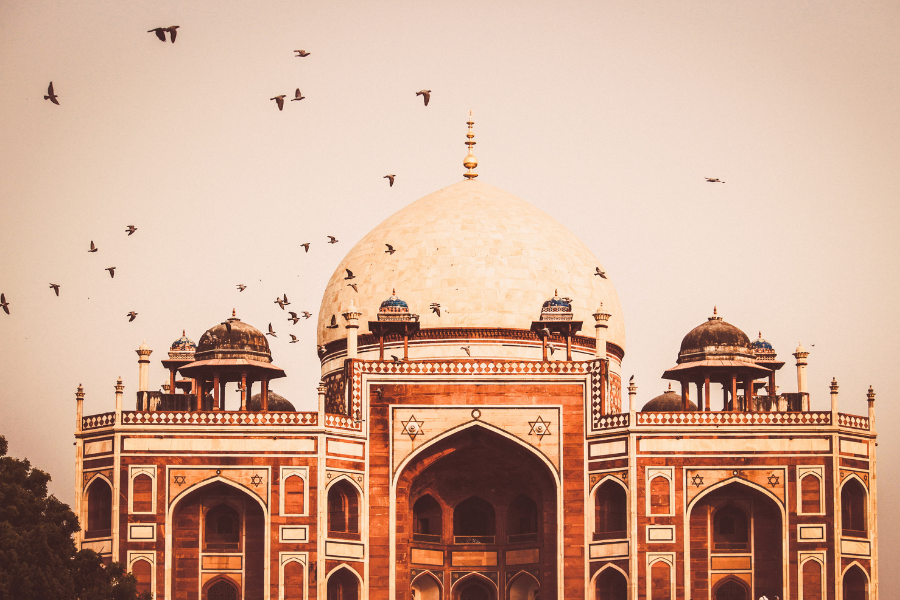
If you’re traveling to India from the United States for the first time, few itineraries are as rewarding—or as manageable—as the Golden Triangle Tour. The classic route connects Delhi, Agra, and Jaipur, giving American travelers a wonderful introduction to India’s history, architecture, food, markets, and everyday culture. India’s official tourism site describes Agra as part of the Golden Triangle alongside Delhi and Jaipur, while Jaipur is one of the circuit’s three points.
 Why Take a Golden Triangle Tour? The Golden Triangle is popular for a reason: in one relatively compact journey, you experience three very different sides of northern India. Delhi introduces you to India’s enormous history and modern energy. Agra is home to the Taj Mahal and spectacular Mughal architecture. Jaipur, known as the Pink City, brings you into the world of Rajasthan’s forts, palaces, colorful bazaars, and royal traditions. The route looks roughly like this: USA → Delhi → Agra → Jaipur → Delhi → USA You can also fly home from Jaipur, depending on your international flight options, but returning to Delhi often provides more choice and can simplify the itinerary.
Day 1: Fly from the USA to Delhi Your journey begins with a long flight from the United States to India. Depending on where you're departing from—New York, Chicago, Dallas, Houston, Los Angeles, San Francisco, Atlanta, or elsewhere—you'll generally have a connection unless you find a suitable nonstop option. My advice: don't plan anything important on arrival day. India can be overwhelming at first. The airport, traffic, sounds, smells, jet lag, and sheer number of people can make your first few hours exciting but exhausting. After arriving in Delhi, transfer to your hotel, check in, have dinner, and go to bed early. Where to stay in Delhi For a first-time American visitor, consider: Central Delhi – convenient for major attractions Connaught Place – restaurants, shopping, and a lively atmosphere Aerocity – particularly convenient after a long international flight South Delhi – generally quieter and more residential Don't try to see the whole city on your first evening.
Day 2: Discover Old Delhi After breakfast, begin your Delhi sightseeing. This is where India starts to feel real. Jama Masjid Start in Old Delhi with Jama Masjid, one of India's most impressive historic mosques. From here, you can explore the surrounding lanes and markets. Chandni Chowk This is one of those places where you should simply slow down and observe. You'll see: street-food vendors spice shops jewelry stores clothing merchants rickshaws centuries-old buildings enormous crowds For an American traveler, the sensory experience can be as memorable as the monuments themselves. Take a guided walking tour A good local guide can make Old Delhi much easier to understand. Instead of simply seeing crowded streets, you'll learn about the history, communities, food, and architecture behind them. India Gate and New Delhi Later in the day, head toward New Delhi. See India Gate, the broad avenues of the central government district, and other landmarks of modern Delhi. Delhi is fascinating because Mughal, colonial, and contemporary India exist side by side. Evening Have dinner at a good Indian restaurant rather than trying to eat only familiar American food. Start gently if you're not accustomed to spicy food. Try: butter chicken dal naan tandoori chicken paneer biryani samosas And don't miss Indian chai.
Day 3: Delhi → Agra This is when the Golden Triangle really begins. The road distance between Delhi and Agra makes this an easy addition to the itinerary, and you can travel by private car, train, or organized tour. My recommendation for first-time visitors: private car + driver A private driver gives you considerably more flexibility. You can leave Delhi after breakfast, stop along the way, and avoid having to manage luggage and train stations. Arrive in Agra around lunchtime and check into your hotel. The Taj Mahal: The Moment You'll Remember No matter how many photographs you've seen, the Taj Mahal is different in person. The monument was commissioned by Mughal emperor Shah Jahan and is one of India's most recognizable landmarks. Visit at sunrise if possible Sunrise is my preferred time. The crowds are generally more manageable, the light is beautiful, and the atmosphere feels completely different from the middle of the day. Give yourself several hours rather than rushing through it. And yes—take the classic photograph. But also spend some time simply looking at the building. Agra Fort After the Taj Mahal, visit Agra Fort. It's often overshadowed by the Taj Mahal, but it deserves serious attention. The fort was an important Mughal seat of power and is now a UNESCO World Heritage Site. India's tourism authority notes that it sits roughly 2.5 km from the Taj Mahal. Inside you'll find: enormous red sandstone walls royal residences courtyards mosques gardens views toward the Taj Mahal This is where the history of the Mughal Empire really comes alive.
Day 4: Agra → Jaipur After breakfast, leave Agra for Jaipur. This is a great day for a road trip because you'll gradually move from Uttar Pradesh into Rajasthan. If you have extra time, consider stopping at Fatehpur Sikri, the historic Mughal city outside Agra. Eventually you'll arrive in Jaipur. And suddenly, the color palette changes. Pink and terracotta buildings, colorful clothing, jewelry shops, forts, palaces, camels, and Rajasthan's distinctive architecture create a completely different atmosphere.
Day 5: Explore Jaipur — The Pink City Jaipur was founded in 1727 by Maharaja Sawai Jai Singh II and is one of the three cities of India's Golden Triangle. Start early. Amber Fort Head to Amber Fort, located outside central Jaipur. The fort is spectacular, particularly when viewed from the surrounding hills. Explore: courtyards royal chambers gateways gardens decorated halls panoramic viewpoints Allow plenty of time here. Jal Mahal On the way back toward Jaipur, stop for photographs of Jal Mahal, the Palace of Water. The palace appears to float in the middle of Man Sagar Lake. You don't necessarily need a long visit—the exterior viewpoint is the main attraction. City Palace Return to central Jaipur and visit the City Palace. Here you'll see royal courtyards, museums, textiles, weapons, artwork, and traditional Rajasthani architecture. It's an excellent place to understand how Jaipur's royal family and the city developed. Hawa Mahal Then walk around Hawa Mahal, or Palace of the Winds. Its famous honeycomb-like façade is one of the classic images of Jaipur. Go early or later in the afternoon for better photography. Jaipur's Markets This is where you can have fun shopping. Look for: block-printed textiles scarves handicrafts jewelry blue pottery leather goods spices traditional artwork But don't feel pressured to buy. If you're not an experienced negotiator, shopping with a trusted guide can make the experience considerably easier. And remember: you don't have to purchase something simply because a salesperson is persistent.
Day 6: Experience Rajasthan Beyond the Monuments One of the biggest mistakes on a Golden Triangle itinerary is spending every day running between monuments. Give Jaipur a slower day. You might: take a cooking class visit a local market enjoy a traditional Rajasthani meal visit a craft workshop explore less-touristy neighborhoods relax at your hotel experience a cultural performance Try a Rajasthani thali This is one of the meals I'd specifically recommend. A traditional thali can include numerous small dishes—vegetables, dal, breads, rice, chutneys, sweets, and more. It's almost a tour of Rajasthan on one plate.
Day 7: Jaipur → Delhi After breakfast, begin the journey back to Delhi. Depending on your international flight schedule, you can either: Option A: Stay one final night in Delhi. Option B: Go directly to the airport for your flight home. I strongly prefer Option A. International flights are too important to risk with a long road journey on the same day. Spend your final evening enjoying a relaxed dinner and perhaps doing some last-minute shopping.
Day 8: Fly Home to the USA After breakfast, head to Delhi airport for your flight back to the United States. You'll probably leave with: thousands of photographs more spices than you intended to buy memories of the Taj Mahal a new appreciation for Indian food and a realization that seven days wasn't nearly enough. And that's exactly why many travelers return to India.
How Much Does a Golden Triangle Tour Cost from the USA? Your total cost depends enormously on your travel style. A rough planning framework for one person might look like: Expense Budget Comfortable Luxury International airfare $700–$1,500+ $900–$1,800+ $1,500+ Hotels $30–80/night $80–200/night $250–600+ Private driver $30–70/day $50–100/day $100+ Food $15–30/day $30–60/day $75+ Attractions $50–150 total $75–200 $150+ Shopping/misc. Variable Variable Variable These are planning estimates, not current quotations; airfare and hotel prices can change substantially by season and departure city. For a comfortable 7–9 day trip, I would personally budget around $2,000–$3,500 per person excluding international airfare, depending on hotel level, private guiding, shopping, and activities. Best Time to Visit the Golden Triangle For most travelers from the USA, the most comfortable period is approximately: October–March ⭐⭐⭐⭐⭐ This is generally the most popular season. November–February Excellent for sightseeing, although mornings in Delhi and Agra can occasionally be cool and foggy. March–April Warmer, but still possible. May–June Very hot. If you're not accustomed to Indian summer temperatures, I wouldn't choose this for a first Golden Triangle trip. July–September Monsoon season can bring rain and humidity, although there can also be advantages such as fewer tourists and greener landscapes. What Should Americans Know Before Visiting India? 1. Get your visa before you travel U.S. passport holders are among the nationalities eligible for India's e-Visa program, subject to the applicable requirements. The official Indian government portal states that passports generally need at least six months' validity at the time of application, and travelers should have an onward/return ticket. Use the official Indian government visa website, not a random third-party site: Official India e-Visa Portal The government specifically warns travelers about unauthorized intermediaries charging additional fees. 2. Don't drink tap water Stick to sealed bottled water or appropriately filtered water. Be cautious with ice and raw foods when you're unsure about hygiene. 3. Expect traffic Delhi and Jaipur traffic can be intense. Don't judge travel time solely by the distance on Google Maps. A short-looking journey can take much longer than expected. 4. Carry cash Cards are widely accepted in hotels and many established businesses, but you'll still encounter smaller shops, vendors, drivers, and local establishments where cash is useful. Carry some Indian rupees in smaller denominations. 5. Dress respectfully India is diverse, but modest clothing is a good default, especially when visiting religious sites. Lightweight clothing that covers shoulders and knees is practical for many situation.
My Ideal Golden Triangle Itinerary If I were planning this trip for a first-time American visitor, I'd do: Day 1: USA → Delhi Day 2: Old Delhi + New Delhi Day 3: Delhi → Agra + Agra Fort Day 4: Taj Mahal sunrise → Fatehpur Sikri → Jaipur Day 5: Amber Fort + Jaipur City Palace + Hawa Mahal Day 6: Jaipur markets + food/cultural experience Day 7: Jaipur → Delhi Day 8: Delhi → USA Better yet: make it 9–10 days. Add another day in Delhi or Jaipur and slow the itinerary down. India rewards travelers who leave room for the unexpected. Final Thoughts: Is the Golden Triangle Worth It? Absolutely. For someone visiting India from the United States for the first time, the Golden Triangle offers an extraordinary introduction to the country. You'll see the Taj Mahal, walk through Mughal forts, explore chaotic Old Delhi, photograph Jaipur's palaces, eat incredible food, shop in colorful markets, and experience a culture that is vastly different from everyday life in America. But don't think of the Golden Triangle as simply a checklist of monuments. The most memorable moments may be the ones between the attractions: drinking chai with your driver, watching a Jaipur market come alive, eating your first proper thali, waking before sunrise for the Taj Mahal, or simply sitting in a hotel courtyard after a long day of sightseeing. Go for the monuments. Stay for the experience. And if this is your first trip to India, the Golden Triangle is one of the best places to begin.